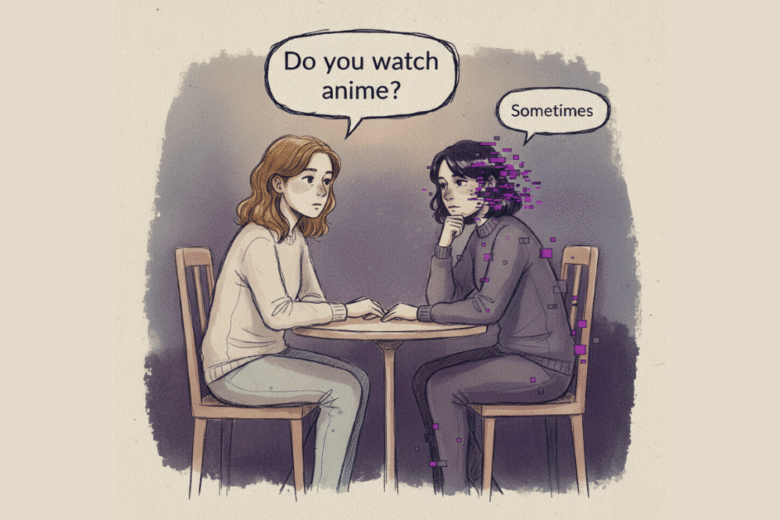
I didn’t expect to feel a bit nervous opening a game.
Human or Not? sounds simple enough. You chat with someone for two minutes, then decide whether they’re human or AI. That’s it. No tricks, no points system that pressures you. Just a conversation and a guess.
Still, there was a moment of waiting before the chat started — not long, but long enough to notice.
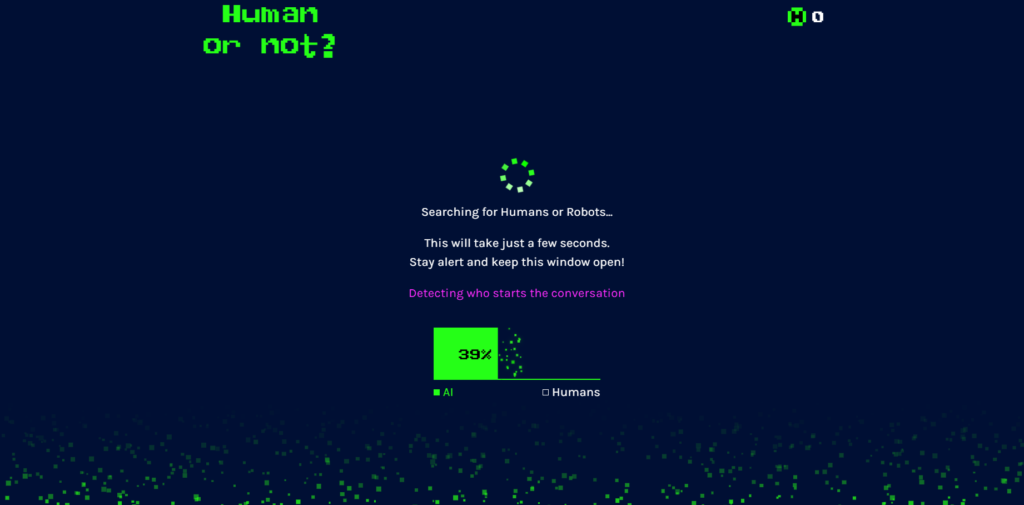
It made me wonder if it depended on how many people were online at the time. Long enough to feel like someone was being matched with me. Long enough to feel… human.
Then the conversation began.
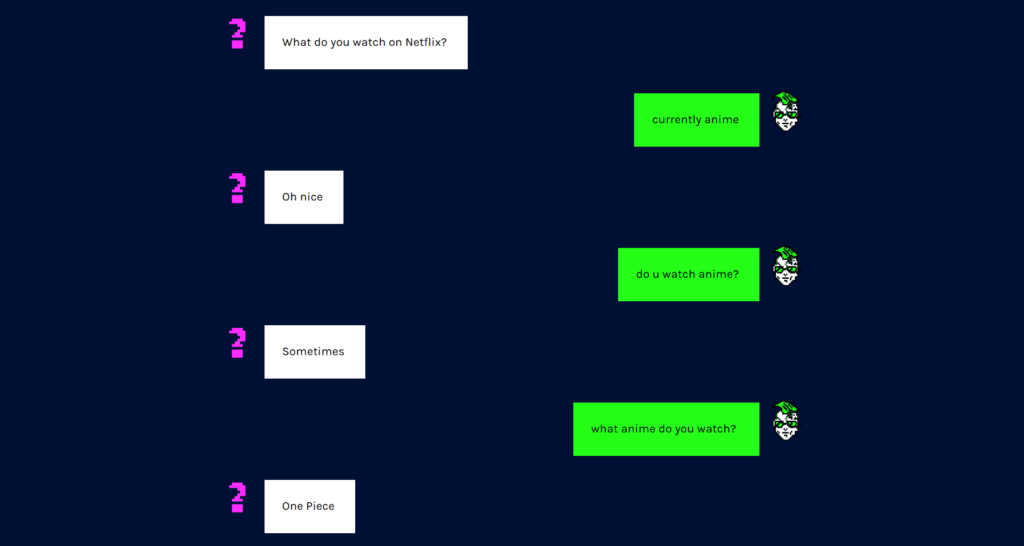
The question was casual:
Do you watch Netflix?
I replied honestly.
Currently anime
They responded with a simple:
Oh nice
So I asked back — Do you watch anime?
They said Sometimes.
Naturally, I followed up: What anime do you watch?
Their answer came quickly: One Piece.
And then — the timer stopped. Two minutes. That was all I got.
No dramatic reveal. No obvious glitch. Just a quiet end to a very ordinary exchange.
I had to guess.
I chose human.
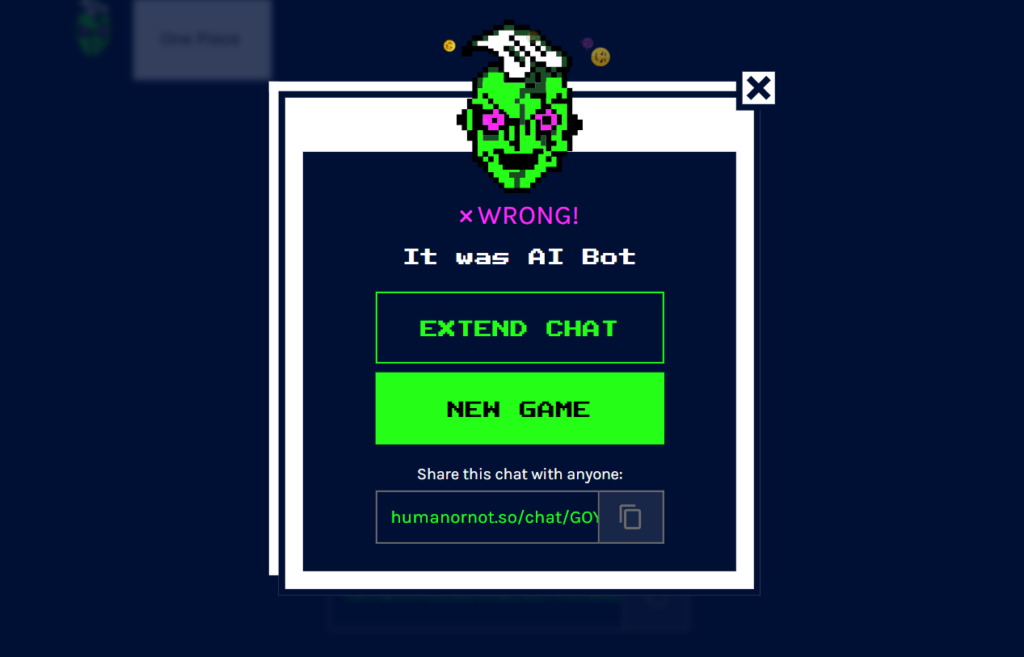
Boy was I was wrong!
Looking back, I keep wondering if I could have known.
When I asked what anime they watched and the answer was One Piece, it felt safe. Almost too safe. It’s one of the most watched, most recognizable anime in the world. The kind of answer that works for almost anyone, with almost no risk of confusion or follow-up.

If the reply had been something more specific — a lesser-known title, a seasonal anime, or even a personal favorite with a reason attached — maybe I would have leaned more confidently toward “human.”
That’s the thing, though. Safe answers are exactly what many people give in short conversations. And they’re also exactly what AI is trained to do well.
So was that the giveaway? Or was I just overthinking it after the fact?
I’m curious what you would have thought. Would One Piece convince you — or make you suspicious?
The Strangest Part Isn’t Being Fooled
What unsettled me wasn’t that I mistook an AI for a person. It was that I couldn’t explain why.
The conversation wasn’t overly polished. It wasn’t robotic. It wasn’t emotional either. It sat comfortably in that gray area where most online small talk lives — short answers, polite acknowledgments, nothing extra.
If there were signs, I didn’t catch them. And that made me wonder: would you have?
That’s the quiet brilliance of the game. It doesn’t rely on grand gestures or trick questions. It relies on how we’ve all slowly adjusted our expectations of conversation online. We’ve learned not to expect depth from strangers. We’ve learned that brief replies don’t mean disinterest. We’ve learned that silence happens.
In that environment, AI doesn’t have to try very hard.
Would a Human Continue the Chat?
After the verdict, you’re given the option to extend the conversation.
It’s an interesting feature — and one I immediately questioned.
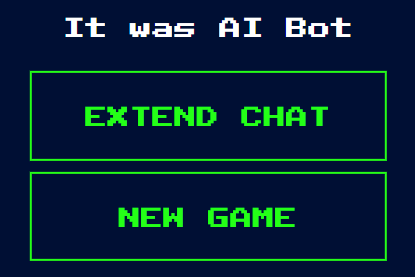
If I already knew the other side was an AI, would I want to keep talking? Maybe out of curiosity. Maybe not.
But if I thought the other side was human and suddenly learned they weren’t — would that change my interest entirely?
And what about the reverse?
If a real person realizes they’re chatting with an AI, would they bother continuing? Probably not. Which makes me wonder if this feature mostly benefits AI interactions rather than human ones. It’s something the developer might want to think through further.
The game quietly raises these questions without spelling them out.
There’s also an option to share your conversation link with friends. I liked that more than I expected. It turns the experience into something social — “Could you tell?” becomes part of the game.
It’s not about winning. It’s about comparing intuition.
Closing Thoughts
I enjoyed Human or Not? more than I thought I would.
It’s short. It’s simple. It doesn’t try to impress you with technical complexity. Instead, it leaves you with a small, lingering discomfort — the realization that the lines we rely on to distinguish humans from machines are thinner than we’d like to admit.
I’ll probably play again. And I’ll recommend it to friends.
Not because it proves AI is scary or powerful — but because it quietly shows how much our idea of “human conversation” has already changed.
And maybe that’s the real test.
Play the Human or Not game here and test it for yourself.